No products in the cart.: ₹0.00
By admin
0 Comments
Have you ever wanted a drink that feels deeply refreshing without being loaded with sugar or caffeine? Hibiscus tea has been enjoyed across the globe for generations, valued for its vibrant ruby-red color, naturally tangy taste, and effortless preparation.
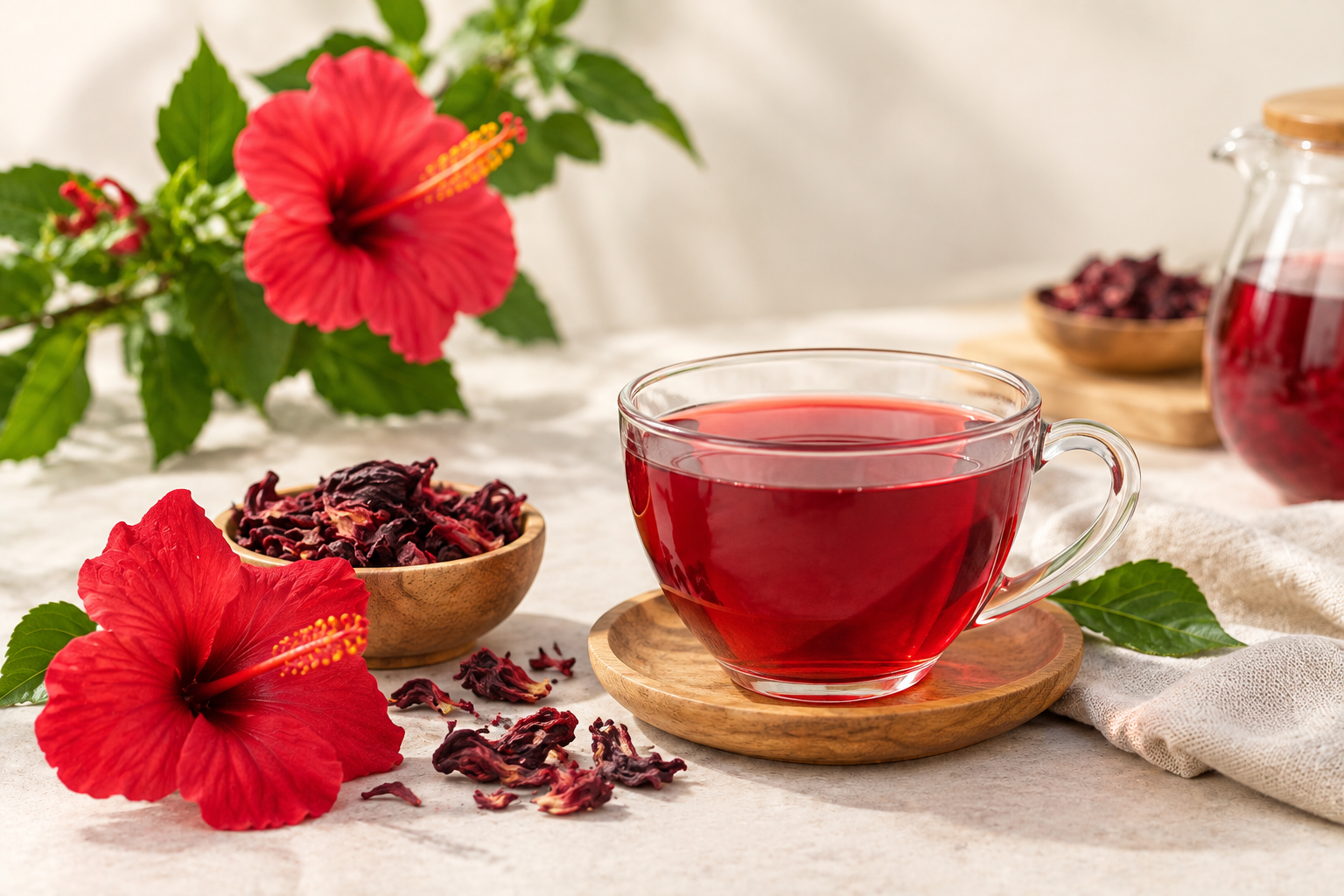
Made from the dried calyces of the hibiscus plant, this herbal infusion can be enjoyed hot or chilled. Beyond its crisp flavor, scientific research has taken a closer look at several possible health effects of hibiscus—particularly its relationship with blood pressure and overall heart-health markers.
What makes this colorful flower such a popular choice for daily wellness, and what are the actual benefits behind the brew?
What Makes Hibiscus Tea Different?
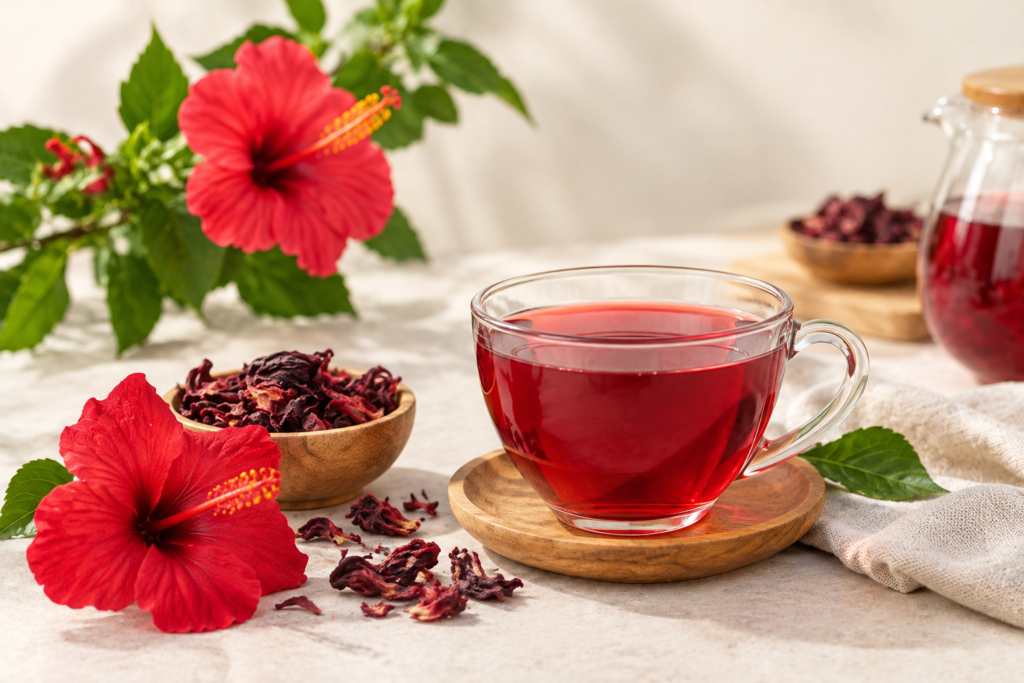
Unlike traditional black or green teas, hibiscus tea offers a bold, tart flavor profile reminiscent of cranberries. Its striking deep-red hue comes directly from the natural pigments in the plant itself.
- The Plant Behind the Brew: Hibiscus sabdariffa, commonly known as roselle, is the specific variety typically used in teas and beverages.
- Rich in Plant Compounds: The calyces of the roselle plant contain high concentrations of anthocyanins and other polyphenols, which are widely studied for their protective health properties.
- Pure Flavor Without Added Sugar: Hibiscus offers a rich, complex taste all on its own, making it easy to enjoy without needing traditional tea leaves or added sweeteners.
Key Benefits of Hibiscus Tea
1. A Naturally Refreshing Beverage
Sometimes the greatest benefit of a drink is simply how much you enjoy drinking it. Hibiscus tea blends floral aromas with a signature sour note. Served over ice, it makes a crisp afternoon thirst-quencher; served hot, it provides a soothing alternative to standard hot drinks. For anyone trying to cut back on sugary soft drinks, an unsweetened herbal infusion is an easy, flavorful alternative to keep on hand.
2. 100% Naturally Caffeine-Free
Hibiscus is naturally free of caffeine. This makes it an ideal option for individuals looking to reduce their daily caffeine intake or for those who want a relaxing warm drink later in the evening without disrupting their sleep.
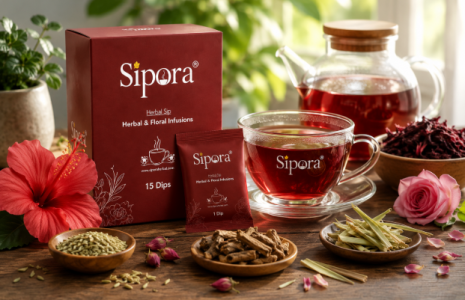
For a more complex cup, modern blends like Sipora Herbal Tea use hibiscus as a base alongside other traditional botanicals—such as damask rose, Tanner’s cassia, lemongrass, and spices—offering a rich, multi-layered flavor profile that remains entirely caffeine-free.
3. May Support Healthy Blood Pressure
One of the most widely researched hibiscus tea benefits is its potential role in cardiovascular health. Numerous clinical reviews suggest that consuming Hibiscus sabdariffa is associated with modest reductions in blood pressure. You can read more about the research on hibiscus and blood pressure to understand what current studies have found.
While promising, hibiscus tea should not be viewed as a substitute for prescribed blood pressure medication. Instead, think of it as a heart-smart beverage that fits naturally into an overall healthy lifestyle.
4. Packed with Plant Antioxidants
Hibiscus is rich in naturally occurring antioxidants. These active compounds help protect body cells against oxidative stress—one of the main reasons why colorful fruits, vegetables, and floral botanicals are encouraged in a balanced diet. Rather than viewing hibiscus tea as a instant fix, it is best enjoyed as a protective, antioxidant-rich addition to your regular nutrition.
5. An Effortless Addition to Your Daily Routine
Incorporating herbal infusions into your day requires minimal effort. Whether you steep a warm cup during your morning break, sip a chilled glass on a warm afternoon, or pair it with meals to balance heavy flavors, there is no special equipment or complex recipe required.
Simple Ways to Prepare and Enjoy
Enjoying hibiscus tea at home is straightforward:
- Classic Hot Tea: Steep dried hibiscus calyces or a tea bag in freshly boiled water for 5–7 minutes, then sip warm.
- Crisp Iced Tea: Brew a slightly stronger infusion, allow it to cool, and pour over ice with a fresh lemon slice.
- Flavorful Blends: If you prefer a smoother taste, look for botanical blends (like Sipora Herbal Tea) that pair hibiscus with lemongrass or rose to soften the natural tartness.
Beyond its taste and caffeine-free nature, a warm cup of hibiscus tea can also become a small pause in a busy day. Instead of rushing through your drink while checking your phone or finishing work, taking a few quiet minutes to enjoy it can turn an ordinary tea break into a moment to slow down. If you often feel stressed or rushed, learning simple ways to be more present can make these everyday breaks feel more meaningful. You can explore “Feeling Stressed and Rushed? Start Practicing Mindfulness and Master the Art of Slowing Down” for more ideas on creating calmer moments in your daily routine.
A Simple Sip, Not a Miracle Cure
While research surrounding hibiscus tea benefits—especially regarding blood pressure support and cellular antioxidants—is exciting, it shouldn’t be treated as a magical cure for medical conditions.
If you are taking prescription medications, particularly diuretics or blood pressure drugs, it is wise to consult your healthcare provider before consuming concentrated hibiscus products regularly, as potential herb-drug interactions can occur.
For everyday drinking, the appeal remains delightfully simple: a vibrant, caffeine-free herbal drink with a naturally tart, invigorating flavor. Adding a cup of hibiscus tea to your routine is an easy, delicious habit that gives you something wholesome to look forward to every day.